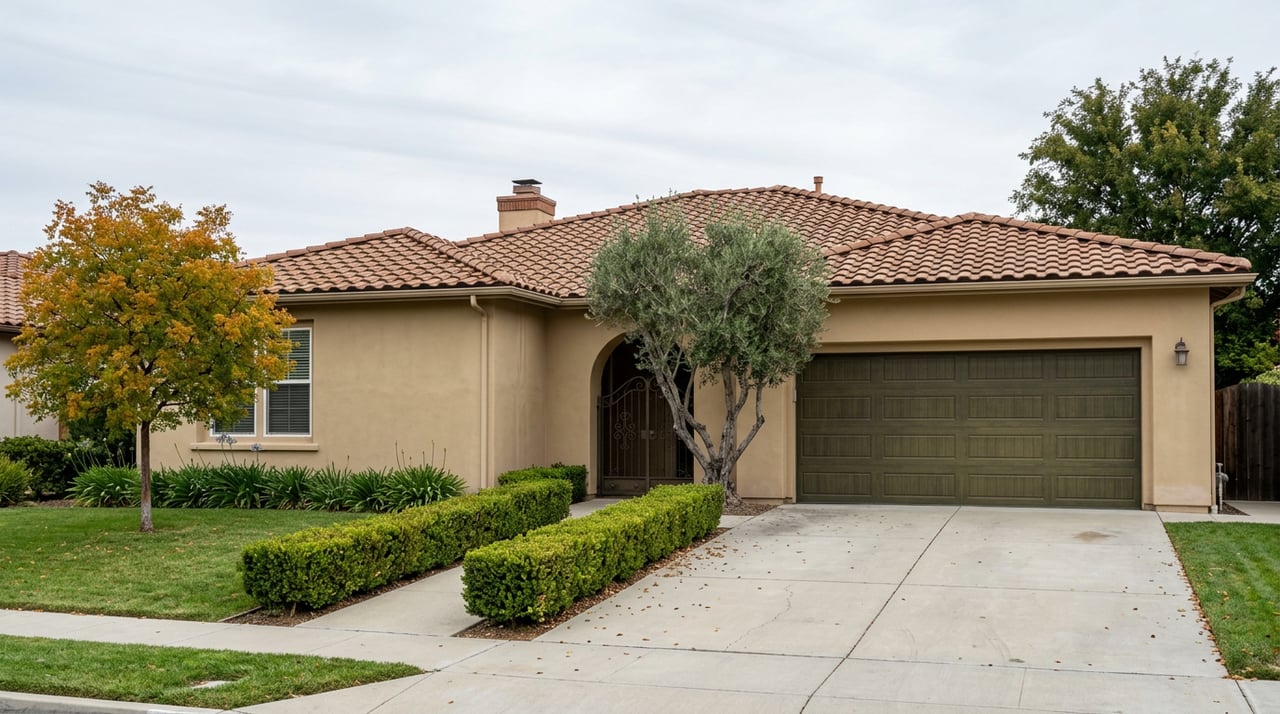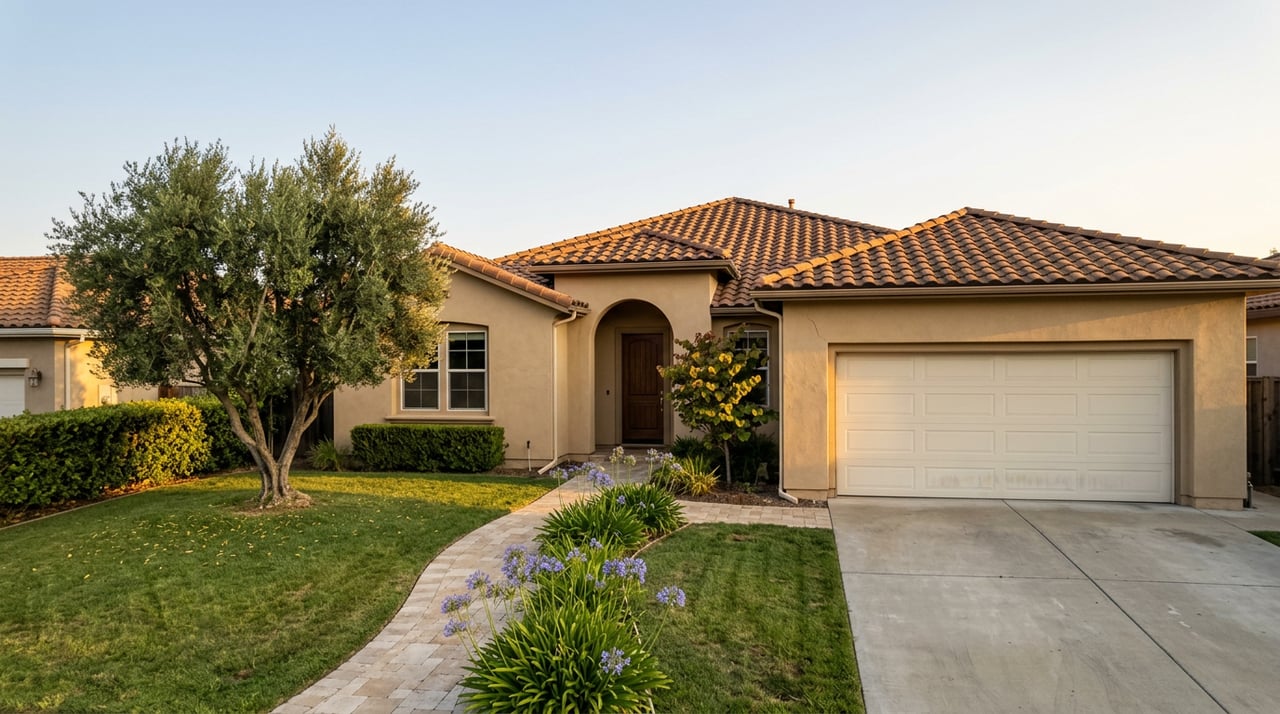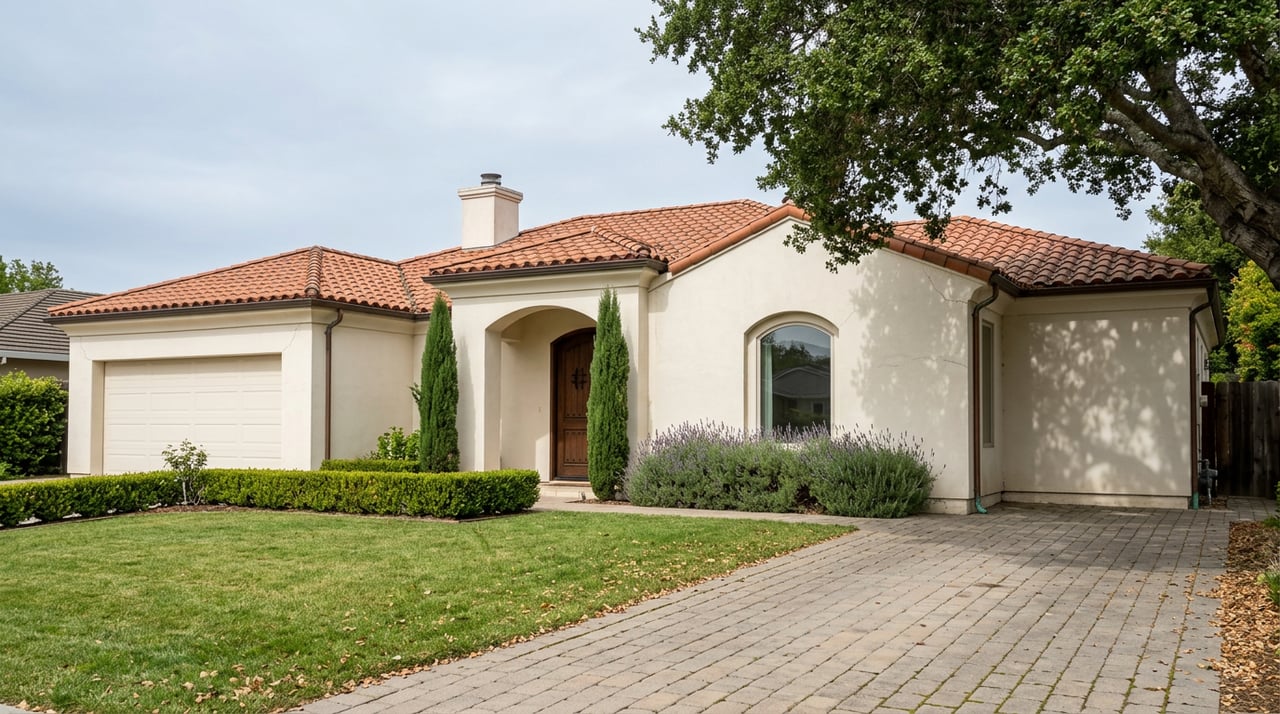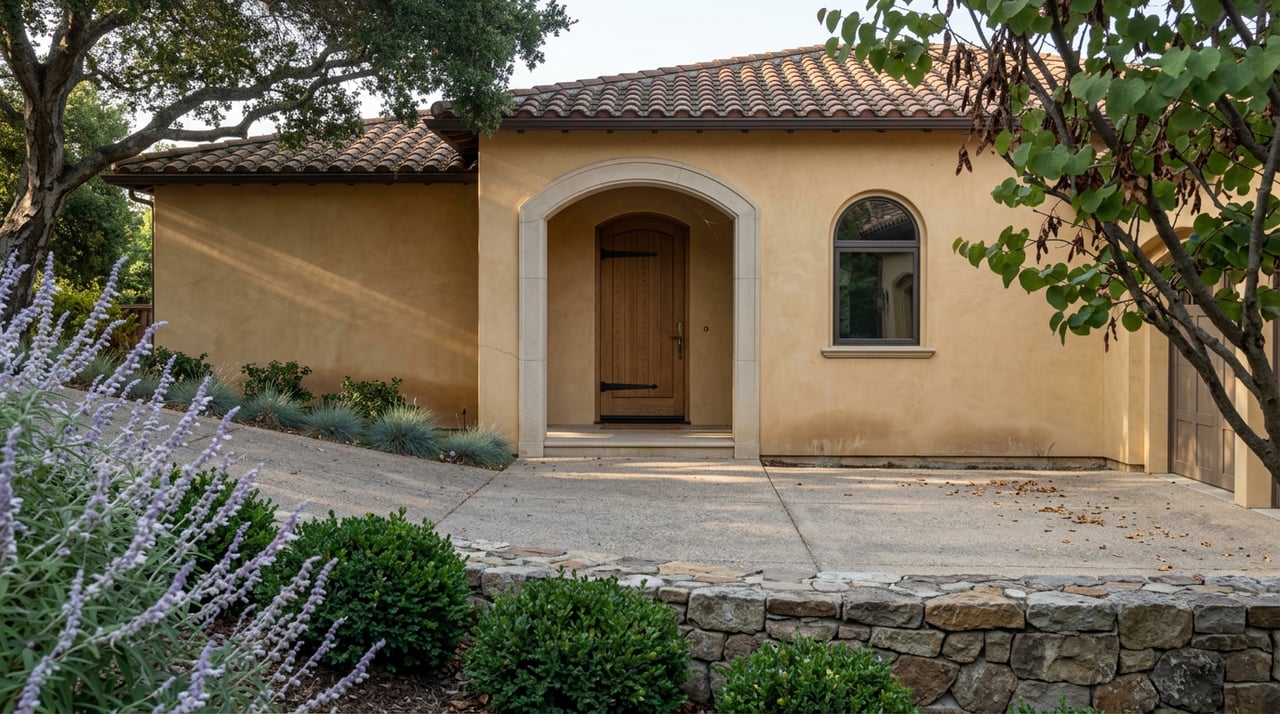
If you are selling a luxury or estate property in Saratoga, the stakes are high. In a market where home values are measured in the millions, small missteps in pricing, preparation, or legal coordination can have a real impact on your timeline and bottom line. The good news is that with the right strategy, you can approach the process with more clarity and confidence. Let’s dive in.
Why Saratoga sales need precision
Saratoga is one of the South Bay’s most valuable residential markets, and that changes how you should approach a sale. Zillow’s home value index for Saratoga is $4,189,623 as of March 31, 2026, while Redfin’s February 2026 market data shows a median sale price of $3,477,500, about 13 days on market, and an average of 2 offers.
Those numbers tell an important story. Buyers are active, but they are also selective. In a market like Saratoga, pricing too high or bringing a home to market without the right preparation can change the outcome quickly.
Realtor.com’s Saratoga market page also points to a median listing price in the mid-$3 million range and a market where days on market can vary. Redfin’s recent sale examples show that some homes sell well above list in a few weeks, while others sit longer and close below asking. That is why luxury and estate sales benefit from a tailored plan rather than a one-size-fits-all approach.
What makes luxury home sales different
Luxury buyers tend to compare more closely, move more deliberately, and expect a polished presentation. In this segment, marketing is not just about visibility. It is part of how you protect value.
According to the National Association of Realtors 2025 staging survey, 83% of buyers’ agents said staging made it easier for buyers to visualize a home as their future home. The same research found that photos, physical staging, videos, and virtual tours rank among the most important listing assets.
For a Saratoga luxury listing, that means your pre-listing preparation should be thoughtful and intentional. A strong plan often includes:
- Accurate pricing based on current local comparables
- Professional photography
- Strategic staging
- Video and virtual tour assets
- Social media and digital promotion
- Open houses and private showings when appropriate
The NAR consumer guide to marketing your home also highlights staging, professional photography, signage, social media, open houses, and competitive pricing as core tools. In a premium market like Saratoga, these are not extras. They are part of a serious listing strategy.
Why older Saratoga homes need extra prep
Many Saratoga homes are not new construction, and that matters during both preparation and disclosure. The City of Saratoga’s housing data shows that 83.8% of the housing stock is detached single-family housing, with the largest share built between 1960 and 1979. Only 1.8% of the current stock was built since 2010, according to the city’s housing data appendix.
For you as a seller, this often means buyers will pay close attention to the home’s condition, maintenance history, permit history, and prior remodel work. Even a beautifully maintained property may raise questions about systems, additions, drainage, or deferred maintenance simply because of its age.
That is especially true in luxury price points, where buyers expect detail and documentation. When your home has a long ownership history, gathering records early can help reduce uncertainty and keep the transaction moving.
Older-home issues buyers often review
In Saratoga, older-home preparation often includes a closer look at:
- Past remodels and permit history
- Roof, foundation, drainage, and pest conditions
- Lead-based paint obligations for pre-1978 homes
- Natural hazard disclosures, including mapped fire or seismic zones
- Environmental hazards that may require disclosure
California’s disclosure rules are broad. The California Department of Real Estate RE 6 guide explains that the Transfer Disclosure Statement is not a warranty and does not replace inspections, but sellers still have duties to disclose known material facts and certain environmental hazards. The same guide also explains that Natural Hazard Disclosure statements may apply to mapped fire, earthquake fault, and seismic hazard zones.
Lead-based paint is another important issue for Saratoga sellers because so much of the housing stock predates 1978. The EPA lead disclosure requirements summarized in the DRE guide make clear that sellers and agents involved with most pre-1978 housing must provide the lead pamphlet and disclose any known lead hazards before contract signing.
Probate sale vs. trust sale
If you are selling an estate property, one of the first questions is whether the home is being sold through probate or through a trust. The difference matters because the process, timeline, and level of court involvement can be very different.
Santa Clara County describes probate as the court-supervised process for transferring legal title from a decedent’s estate to beneficiaries. On the county court’s probate self-help page, the court notes that if a personal representative must get court approval to sell real property, the procedures are complicated and an attorney experienced in probate sales is strongly recommended.
A trust sale is different. According to Santa Clara County’s trust information page, a trustee holds title for beneficiaries, can sell trust assets, and must keep detailed records and accountings. After the settlor’s death, the trustee also has notice and tax-related responsibilities, including beneficiary notices and notifying the county assessor when California real estate is involved.
What this means in practice
A probate sale often involves more court procedure and, in some cases, court approval related to the real property sale. A trust sale may avoid some of that court supervision, but it still carries fiduciary duties and documentation requirements.
For either path, clear communication and careful coordination matter. The seller may be a trustee, executor, or personal representative, but the decisions still need to reflect legal authority, proper notice, and accurate recordkeeping.
When legal coordination becomes essential
Not every estate-related sale unfolds the same way, but some situations clearly call for legal guidance. Santa Clara County specifically notes that probate sale procedures can be complex enough that an attorney experienced in probate sales is strongly recommended when court approval is required.
You may need close coordination with an attorney when:
- The property is part of a probate estate
- Court approval may be required for the sale
- There are multiple beneficiaries who need notice or updates
- The trustee or representative is managing detailed fiduciary duties
- There are tax, title, or documentation questions to resolve
California Courts forms DE-260 and DE-265 are used to report and confirm real property sales in probate, guardianship, and conservatorship matters. That alone shows how process-driven these transactions can be.
It is also worth noting what usually does not apply in Saratoga. California’s small-value real-property affidavit process applies only when all California real property in the estate is worth $55,425 or less. Given Saratoga’s price points, that simplified route will usually not fit a local estate sale.
Does “as-is” remove disclosure duties?
In short, no. Selling a home as-is does not remove your obligation to disclose known material facts.
California’s DRE guidance makes clear that statutory and common-law disclosure duties still apply. The Transfer Disclosure Statement is not a warranty, but sellers are still expected to disclose known issues and provide required forms, including hazard-related disclosures where applicable.
That matters in estate situations because trustees, executors, and family members may have limited firsthand knowledge of the property. Even so, estate status does not automatically erase disclosure obligations. It simply means the disclosure package should be prepared carefully, based on the information and records reasonably available.
Building the right sale team
Luxury and estate sales usually run more smoothly when the process is organized early. Based on the legal duties and marketing demands involved, many Saratoga sellers benefit from a coordinated team approach.
That often includes:
- Listing agent
- Probate or trust attorney when needed
- Title company
- Appraiser
- Stager
- Photographer or videographer
- CPA or financial advisor when needed
This type of coordination is not just about convenience. It helps keep pricing, disclosures, property preparation, and transaction timing aligned. For a luxury or estate home, that can make a meaningful difference in both buyer confidence and overall execution.
A practical plan for Saratoga sellers
If you are preparing to sell a luxury, trust, or probate property in Saratoga, it helps to think in phases rather than trying to solve everything at once.
Phase 1: Clarify authority and timing
Start by confirming who has legal authority to sell, what deadlines may apply, and whether outside professionals need to be involved. In a trust or probate sale, this step shapes the rest of the process.
Phase 2: Gather records
Collect permits, remodel information, maintenance history, and any prior inspection or repair documentation. For older Saratoga homes, this information often matters as much as cosmetic presentation.
Phase 3: Prepare the home
Decide what level of staging, cleaning, repairs, or cosmetic work makes sense for your goals. In a high-value market, presentation should support price strategy, not work against it.
Phase 4: Build a pricing and marketing plan
Use current local market data and comparable sales to set pricing carefully. Then support that price with strong visuals, polished marketing assets, and broad exposure.
Phase 5: Manage disclosures and escrow closely
Once the home is live, stay organized on disclosures, buyer questions, and contract timing. Luxury and estate transactions often involve more moving parts, so consistent communication matters.
Selling a Saratoga property at this level is rarely just about putting a sign in the yard. It is about combining pricing discipline, presentation, and careful transaction management.
If you are weighing a luxury, trust, or probate sale in Saratoga, working with a team that understands both the market and the process can help you move forward with less stress. Kendra Gaeta and Lindsay Morris provide full-service support with pricing strategy, staging coordination, vendor management, marketing, and hands-on transaction guidance across the South Bay.
FAQs
How is a Saratoga trust sale different from a Saratoga probate sale?
- A trust sale is typically handled by the trustee under the terms of the trust, while a probate sale is part of a court-supervised estate process and may require court-related procedures or approval depending on the case.
Does an as-is estate sale in Saratoga still require disclosures?
- Yes. Selling a property as-is does not remove California disclosure duties, including the obligation to disclose known material facts and provide required forms.
Which older-home issues matter most when selling a Saratoga property?
- Common issues include permit history, prior remodel documentation, lead-based paint obligations for many pre-1978 homes, natural hazard disclosures, and condition concerns such as pest, drainage, roof, or foundation questions.
When does a Saratoga probate or trust seller need an attorney?
- Legal guidance is especially important when a sale is part of probate, court approval may be required, fiduciary duties are complex, or there are beneficiary, tax, title, or documentation issues to manage.
What marketing elements are worth paying for in a Saratoga luxury listing?
- Based on NAR guidance, key marketing elements often include professional photography, staging, video, virtual tours, social media exposure, open houses, signage, and a pricing strategy that reflects current market conditions.