Thinking about buying a condo or townhome in Campbell? It can be a smart way to get into the South Bay market, simplify exterior upkeep, or live closer to Downtown Campbell and the Pruneyard. But attached living comes with a different set of rules, costs, and questions than buying a detached house. If you understand those differences before you write an offer, you can make a much more confident decision. Let’s dive in.
Know the legal structure first
One of the biggest surprises for buyers is that a home’s appearance does not always tell you what you are actually buying. In California, a condo or townhome often sits within a common interest development with required HOA membership, but the legal structure may be a condominium, a planned development, or a detached or site condominium.
That matters because ownership and maintenance can vary a lot from one property to the next. Two homes may look nearly identical from the street, yet one may include land ownership while the other may not. That difference can affect monthly costs, upkeep responsibilities, and even resale considerations.
Why exterior style can be misleading
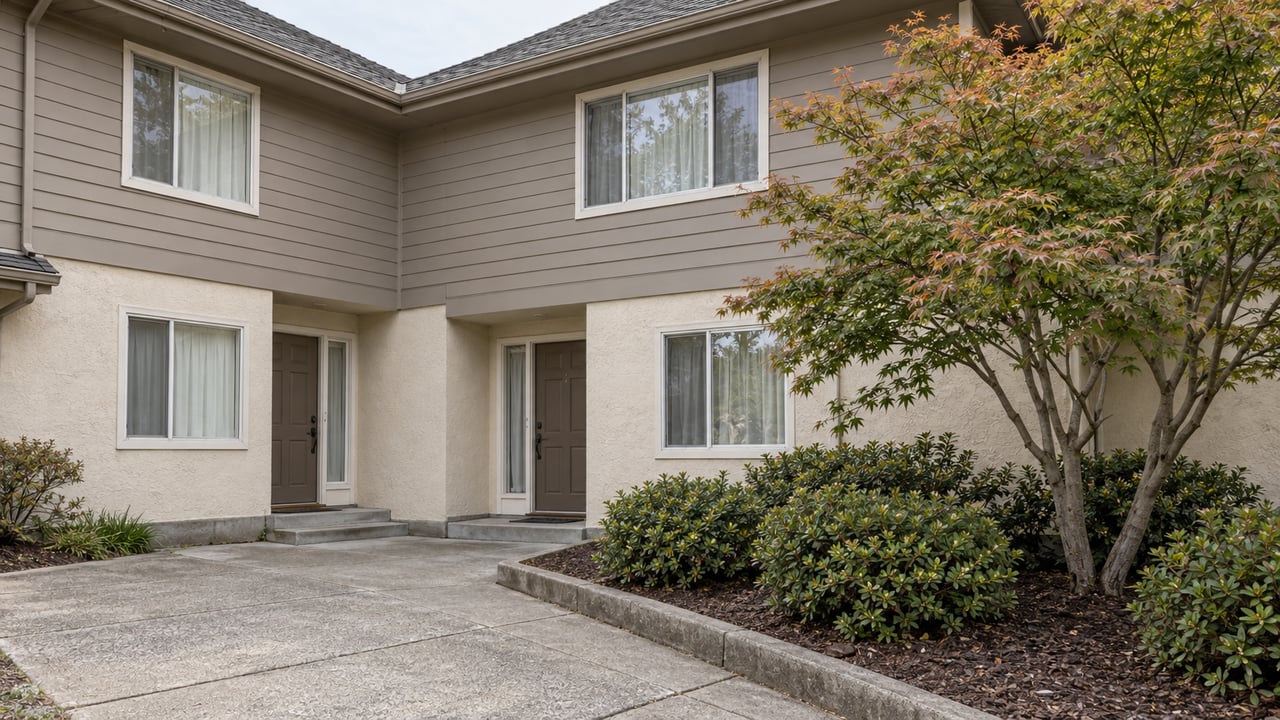
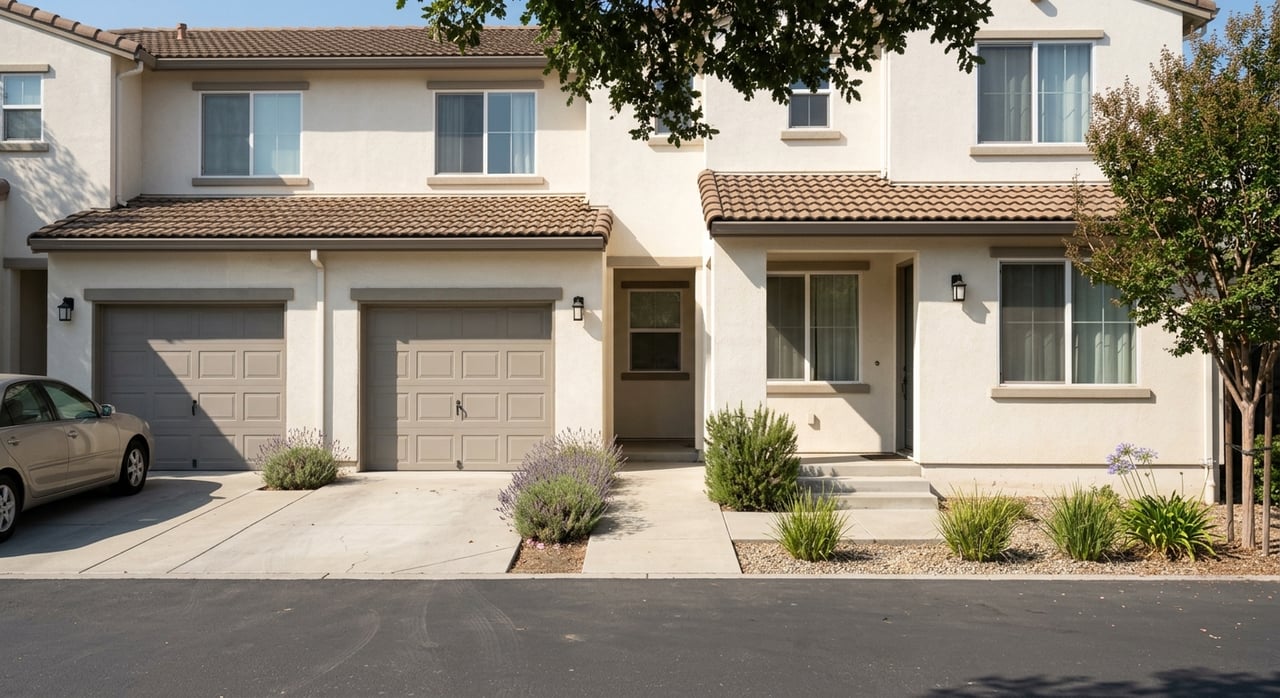
A planned development can look like a standard subdivision, but still include HOA-maintained private streets or shared amenities. A townhome-style property may feel like a single-family home, while still having rules and shared obligations that come with HOA living.
Before you fall in love with the layout or location, ask exactly how the property is classified. That gives you a clearer picture of what you own, what the HOA controls, and what your long-term obligations may be.
Budget beyond the mortgage
When you buy a condo or townhome in Campbell, your monthly housing cost is usually more than principal and interest. HOA dues are typically paid directly to the association, not rolled into your mortgage payment, so you need to budget for them separately.
You also need to account for property taxes, insurance, and any special assessments that may apply. Santa Clara County notes that property taxes can include voter-approved debt and special assessments, and new owners may receive a supplemental tax bill after purchase.
What HOA dues really mean
HOA dues can range from a few hundred dollars a month to more than $1,000 a month, depending on the community. The key question is not just whether the dues fit your budget today. You also want to understand what they cover and whether they seem adequate for the property’s future repair needs.
In some communities, dues may support amenities, exterior maintenance, common area insurance, or private road upkeep. In others, lower dues can sometimes signal that the association may not be saving enough for larger projects down the road.
Review the HOA documents carefully
California requires sellers in common interest developments to provide a detailed disclosure package before closing. This package can tell you a great deal about the health of the association and the practical realities of living there.
You should expect to see governing documents, budget information, current regular and special assessments, unpaid fines or penalties, unresolved violation notices, rental restriction statements, and the latest inspection report required under Civil Code section 5551. If requested, board minutes are also part of the disclosure process.
Focus on these key documents
As you review the packet, pay close attention to:
- CC&Rs and bylaws
- The most recent annual budget
- Reserve summary and funding plan
- Current and pending assessments
- Rental restrictions
- Violation notices and fines
- Recent inspection reports
- Board minutes, if available
These documents can help you spot red flags early. They can also show whether the community is well managed and whether major repair costs may be on the horizon.
Check the HOA’s financial health
A well-run HOA does more than collect dues. It plans for future repairs. In California, qualifying associations must update reserve studies at least every three years, and the annual budget report must include a reserve summary and a funding plan.
Reserve funds are meant to help pay for long-term replacement costs such as roofs, pavement, and other major components. If reserves are underfunded, the association may defer maintenance or need to issue a special assessment later.
Questions to ask about reserves
Before you move forward, try to answer a few practical questions:
- Are reserves reasonably funded?
- Have dues increased recently?
- Has the board discussed a special assessment?
- Are major repairs expected soon?
- Does the reserve plan show future assessment increases?
This is especially important if you are trying to keep your monthly costs predictable. A unit with lower dues may not actually be the lower-cost option if the HOA is not financially prepared.
Understand maintenance responsibilities
One of the most important details in a condo or townhome purchase is who handles what. In California common interest developments, the association is generally responsible for maintaining, repairing, and replacing common areas, while the owner is responsible for the separate interest.
Exclusive-use common areas can be a little more complicated. In many cases, the owner is responsible for maintenance, while the association handles repair and replacement, unless the governing documents say otherwise.
Read the CC&Rs for the fine print
This is where the CC&Rs become very important. They often spell out responsibility for:
- Roofs
- Exterior paint
- Patios and balconies
- Fences
- Parking spaces
- Architectural changes
- Pet rules
- Rental limits
If a feature matters to you, do not assume. Read the documents and confirm the details during your due diligence period.
Look closely at physical condition
Attached homes can seem lower maintenance, but that does not mean maintenance-free. California now requires condominium associations to inspect certain exterior elevated elements, such as qualifying balconies, decks, stairways, and walkways, every nine years.
The written report must address the condition of those components and identify needed repairs. For buyers, this makes inspection history an important part of the review process, especially if the property has outdoor living space.
Ask about pending repairs
If the community includes balconies, decks, or similar features, ask:
- Has the most recent 5551 inspection been completed?
- Were any repairs recommended?
- Has repair work already been scheduled?
- Has the board discussed a special assessment tied to that work?
These questions can help you avoid surprises after closing. They also give you a more realistic view of the property’s near-term costs.
Clarify insurance coverage
Insurance for a condo or townhome is different from insurance for a detached home. HOA dues often include master insurance for common areas, but that does not mean the association’s policy covers everything inside your unit.
You will want to understand where the HOA’s coverage stops and where your own policy needs to begin. That can affect your monthly budget and your comfort level with risk.
Think through Campbell lifestyle trade-offs
For many buyers, the appeal of a Campbell condo or townhome is as much about location as it is about the home itself. Downtown Campbell is a major draw, and the city’s Transportation Improvement Plan calls for better walking, bicycling, and transit access in the Downtown Campbell Priority Development Area.
The Pruneyard is another notable lifestyle feature in Campbell. The city describes it as a 27-acre site with office buildings, a regional shopping center, and a hotel. For buyers who value convenience and access, these features can make attached living especially appealing.
Convenience can come with trade-offs
Living closer to downtown or other activity centers may offer easier access to shops, dining, and transit connections. At the same time, the setup that works well for one buyer may feel limiting for another, especially if parking or storage is tight.
That is why it helps to weigh both the home and the surrounding daily routine. A great location should support how you actually live, not just look good on paper.
Make parking a top priority
Parking deserves extra attention in Campbell, especially near downtown. The city currently has one permit parking program, the Rosemary Permit Parking Zone, where each residence can buy up to three annual permits and receive visitor passes.
That means parking should be treated as a serious due diligence item, not an afterthought. This is particularly true if your household has multiple vehicles, frequent guests, or interest in EV charging.
Questions to ask about parking
Before you make an offer, confirm:
- Is parking deeded or assigned?
- Do you have a garage, carport, or open space?
- Is there guest parking?
- Is street parking the backup plan?
- Is the property within a permit parking area?
- Are there practical options for EV charging?
The right parking setup can make daily life easy. The wrong one can quickly turn a convenient location into a frustration.
Check financing early
If you plan to use FHA financing, project eligibility should be one of your first questions. HUD states that FHA insures condominium loans for units in FHA-approved condominium projects or, in some cases, through single-unit approval.
California’s required HOA disclosure materials also indicate whether a condominium project is FHA-approved and VA-approved. If financing flexibility matters to you, confirm this early so you do not waste time on a community that will not work for your loan.
Keep Campbell pricing in perspective
Recent market snapshots suggest that Campbell attached homes often price below the broader detached-home market, though exact comparisons depend on whether you are looking at active listings or closed sales. In a recent Redfin snapshot, Campbell condos showed a median listing price of about $743,000 and townhouses about $1.41 million.
For broader context, the California Association of Realtors reported a statewide median sold price in April 2026 of $914,810 for detached single-family homes and $675,000 for condo and townhome properties. These numbers are best used as directional context, not as direct apples-to-apples comparisons.
That said, attached homes can still be an important path into Campbell for buyers who want location, lower exterior upkeep, or a different price point than many detached homes.
Key questions before you offer
Before you move ahead with a condo or townhome in Campbell, make sure you can clearly answer these questions:
- Is the property legally a condominium, planned development, or detached/site condominium?
- What do the CC&Rs say about maintenance, parking, pets, rental limits, and exterior changes?
- How healthy are the HOA reserves?
- Are dues likely to rise soon?
- Has a special assessment been discussed?
- What parking is included, and is the property in a permit parking area?
- Is the project eligible for the financing you plan to use?
- Are there unresolved violations, unpaid fines, or recent inspection concerns?
The more clarity you have before you write an offer, the fewer surprises you are likely to face during escrow or after move-in.
If you are weighing condo or townhome options in Campbell, having a local team who can help you compare communities, review the practical trade-offs, and stay organized during due diligence can make the process feel much more manageable. When you are ready for thoughtful, full-service guidance, reach out to Kendra Gaeta and Lindsay Morris.
FAQs
What should you review before buying a condo or townhome in Campbell?
- You should review the legal structure, CC&Rs, HOA budget, reserve summary, assessments, inspection reports, parking details, and financing eligibility before moving forward.
How are condo and townhome HOA dues handled in Campbell purchases?
- HOA dues are usually paid directly to the association and are generally separate from your mortgage payment, so you should budget for them alongside taxes, insurance, and other housing costs.
Why does the legal structure matter for a Campbell attached home?
- The legal structure affects what you own, what the HOA maintains, and what rules apply, and two homes that look similar may have very different ownership and maintenance setups.
What parking questions matter when buying near Downtown Campbell?
- You should confirm whether parking is deeded, assigned, garage-based, guest-friendly, street-based, or affected by a permit parking zone, especially if your household has multiple cars or needs EV charging.
How can you tell if a Campbell HOA is financially healthy?
- Look at the reserve summary, budget documents, assessment history, and any discussion of major repairs or future dues increases to understand whether the HOA appears prepared for long-term costs.
What maintenance issues should you ask about in a Campbell condo community?
- You should ask about responsibility for roofs, exteriors, patios, balconies, fences, and any recent required inspection reports or pending repair work that could affect future costs.